From “boom” to maturity
Bali’s property market has long attracted international investors with its exotic appeal and high upside potential. Over the past three years, however, the market has shifted: what used to be rapid, sometimes volatile growth is now moving toward a more mature and predictable phase. As developers working on the island, we see these changes first-hand. Today Bali is not just a speculative hotspot — it is becoming a stable asset class with tested returns and clearer long-term opportunities.
1. Price growth: from explosive increases to steady returns
Between 2021 and 2024 the average price per square meter on Bali rose by about 51%. That surge was driven by the tourism rebound after COVID, an inflow of digital nomads and remote workers, and renewed global interest in Bali as a place to live and invest. By 2025, the market entered a stabilization stage: prices are still rising, but growth is steadier and more predictable — a healthy sign of market maturity.
From a returns perspective, real projects today show 10–14% net ROI as a realistic range for well-managed assets. Industry data also point to strong short-term rental performance: investor rental income rose notably last year, and average daily rates vary widely by segment (standard vs luxury). These figures are already backed by operational cases, not just projections.
2. Long-term rentals: Bali as a second home for remote workers
One of the biggest shifts is demand for long-term stays. Bali has firmly established itself as a hub for digital nomads, freelancers and remote professionals. Many visitors now stay for months or even years rather than holiday weeks. For investors this is important: long-term rental strategies reduce seasonality risk, create steadier occupancy and make cash flow more predictable. Designing products and management packages for monthly and yearly tenants now makes as much sense — or more — than focusing only on short-term vacation rentals.
3. New location focus: moving beyond saturated hotspots
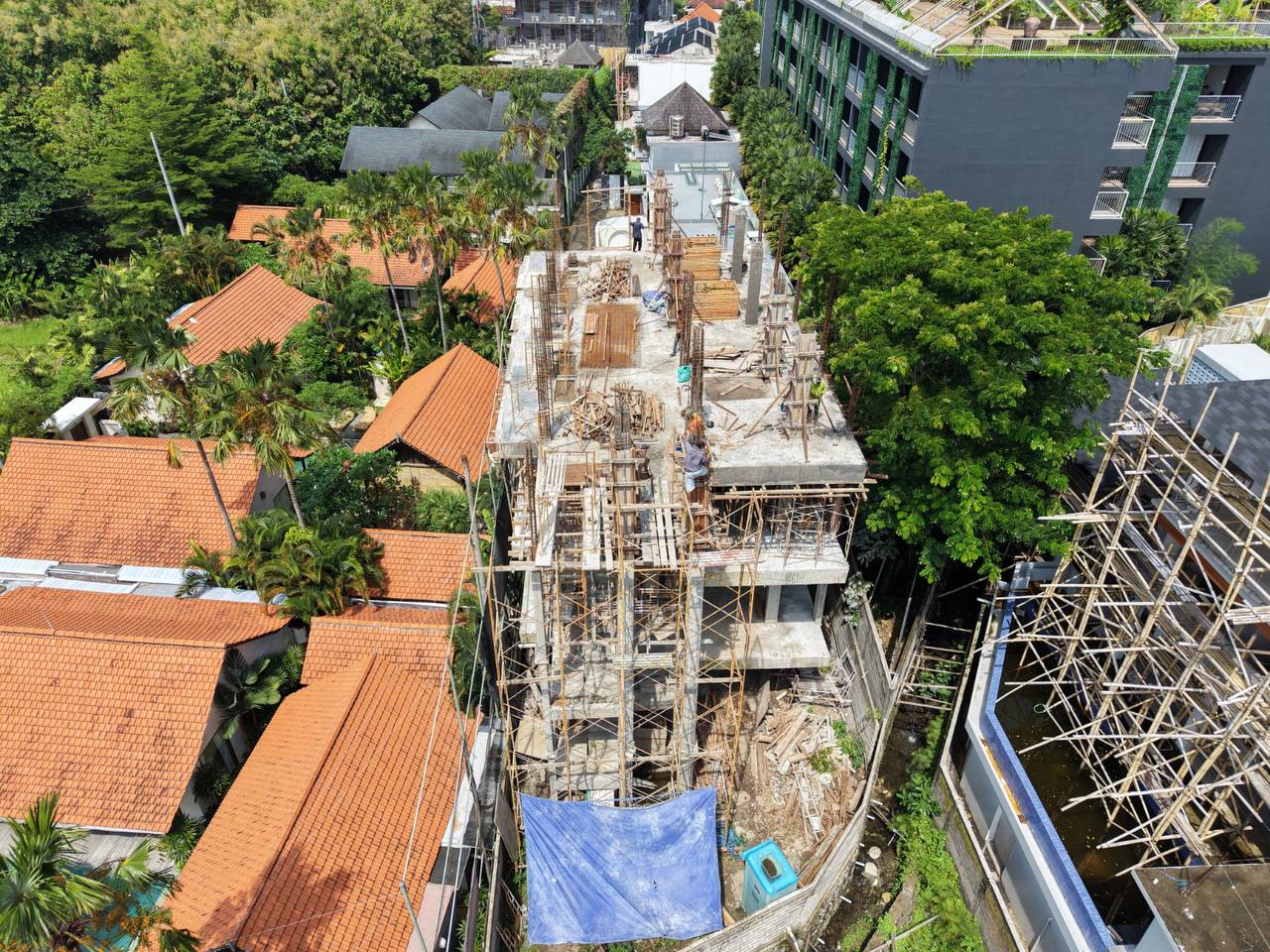
Popular areas such as Canggu, Seminyak and Uluwatu are largely developed and, in many cases, overcrowded. Land and property prices there have already peaked in several micro-zones. As a result, developers and investors are shifting attention to adjacent, less saturated areas that still offer strong upside. Our project, Asri Bliss, is a practical example: located on the edge of Canggu, it provides a calm, residential atmosphere while being just a 5-minute drive from Canggu’s cafes, gyms and beaches. This “quiet but close” balance is increasingly attractive to buyers and tenants.
Research suggests only a small portion of the island is truly buildable, and in the most popular districts land is almost fully utilized — which makes early investment in emerging neighborhoods especially valuable.

4. Infrastructure upgrades: a catalyst for liquidity and demand
Large infrastructure and tourism projects are changing Bali’s accessibility and long-term prospects:
- Mengwi–Gilimanuk road improvements aim to shorten travel times across the island and increase connectivity.
- Universal Park & Gardens Bali and similar large entertainment developments are expected to draw additional visitors and create jobs.
- Plans for a second international airport (discussed for the north of Bali) would redistribute tourist flows and open new development corridors.
- A proposed international medical center in Sanur will raise healthcare standards and attract longer-term residents and medical tourists.
Better transport, more attractions and upgraded services all boost property liquidity and support sustained rental demand. Combined with Indonesia’s steady economic growth (around +5% GDP annually) and rising foreign direct investment, these projects form a favorable macro background for real estate investments.
Conclusion — Bali as a stable, long-term investment
The Bali real estate market has moved from a period of rapid, but not always predictable, growth to a mature and stable system. Today, it is not just an exotic destination but a serious investment platform with proven returns and clear prospects for development.
The shift towards long-term rentals, the expansion into new areas, and the active growth of infrastructure are creating favorable conditions for investors seeking reliable and profitable assets.
As developers, we see big potential in this market and are ready to offer you the best solutions for investing in Bali real estate.